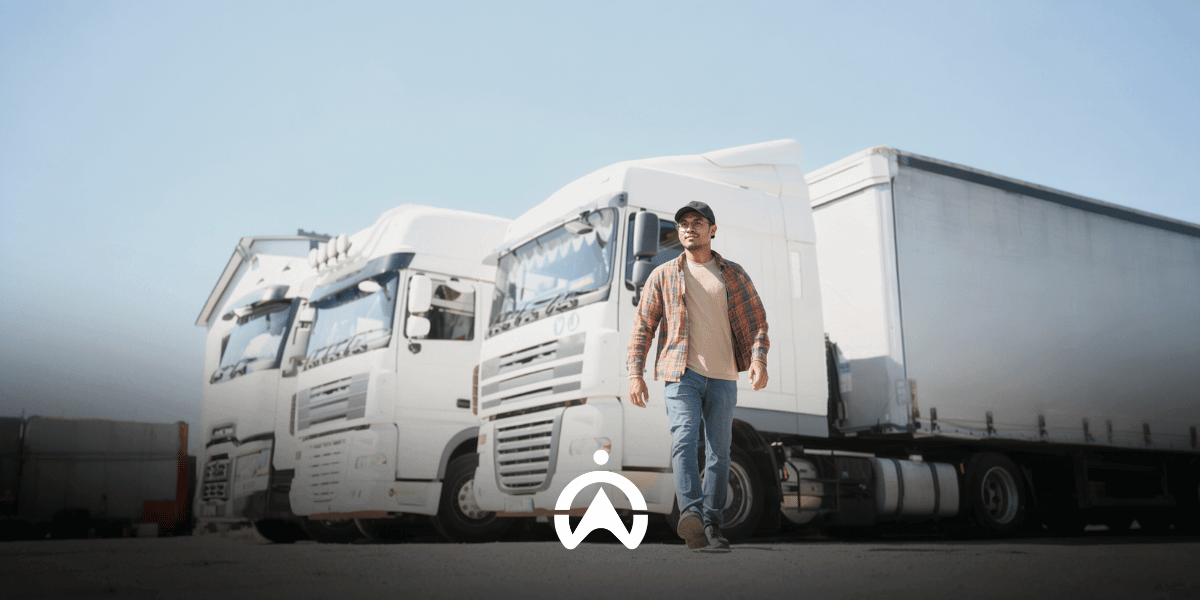
A fleet management system that’s focused on cargo integrity and efficient delivery optimisation is the perfect fit for an FMCG company operating in Malaysia. After all, that’s exactly what you attempt to achieve each and every day as a logistics manager in this sector.
But if you’re still not convinced that FMS is worth the extra monthly costs, we’ll address specific challenges you face every day and show you how easily they can be solved or simplified.
We’ll look at automation systems, cargo protection and even the necessary reporting you need to make your stakeholders happy. Keep reading as we explore your industry in-depth and discover the technological breakthroughs that have likely revolutionised the operations of your competitors—so that you can utilise these same methods and keep up!
High pressure dictates the day-to-day operations of FMCG operations. Many of the products are perishable, some are vulnerable to damage, and all require strict stock control to ensure you don’t run out—or over-purchase. Then there are the returns, the invoicing, and not to mention the drivers who rush to get them delivered.
As a fleet logistics manager, you can likely relate to many of the above, but do you know the actual root of these problems? Let’s break them down.
If you’re still relying on outdated systems to run your FMCG fleet, real-time visibility is impossible. Manual processes and old fleet software usually results in delays, late intervention, and too many hours spent on damage control.
Managing manual reporting, driver updates and accident intervention without an automated system leave you or your fleet managers dealing with crises long after they’ve happened. It’s hard to identify recurring issues or identify patterns that help with your decision making.
And if you don’t know what the problems are, how can you effectively improve on the strategy you already have in place?
FMCG is all about speed. Delivery schedules are tight, which often puts pressure on your drivers, causing them to compromise on safety. They deal with unpredictable traffic situations, damaged roads, and unhappy customers—or failed deliveries.
To top it all off, they regularly struggle with fatigue because of the humdrum that comes with hours of driving. Some may even have to claim overtime just to meet your logistics objectives, because there’s no way to queue them efficiently and get the most out of every dispatch trip.
While your drivers are struggling to keep up with high demands, you’re back at the office trying to balance the numbers. Fuel costs affect your budget, but you figure it’s just an expense you have to put up with.
You leave it up to your drivers to figure out the best routes, but how can you know for certain that they’re not picking roads fraught with heavy traffic or damaged infrastructure?
Your drivers could utilise vehicles more efficiently, but training them just wastes time by taking time out of your regular delivery schedule. Then, when a vehicle breaks down, it leads to idle drivers (which you still have to pay for), missed deliveries, and expensive repairs.
Fortunately, it doesn’t have to be this way—and for many FMCG fleets, it’s not! If your competitors are giving you a serious run for your money, it may be they’re using telematics software to manage goods delivery without all the woes you’re struggling to keep up against.
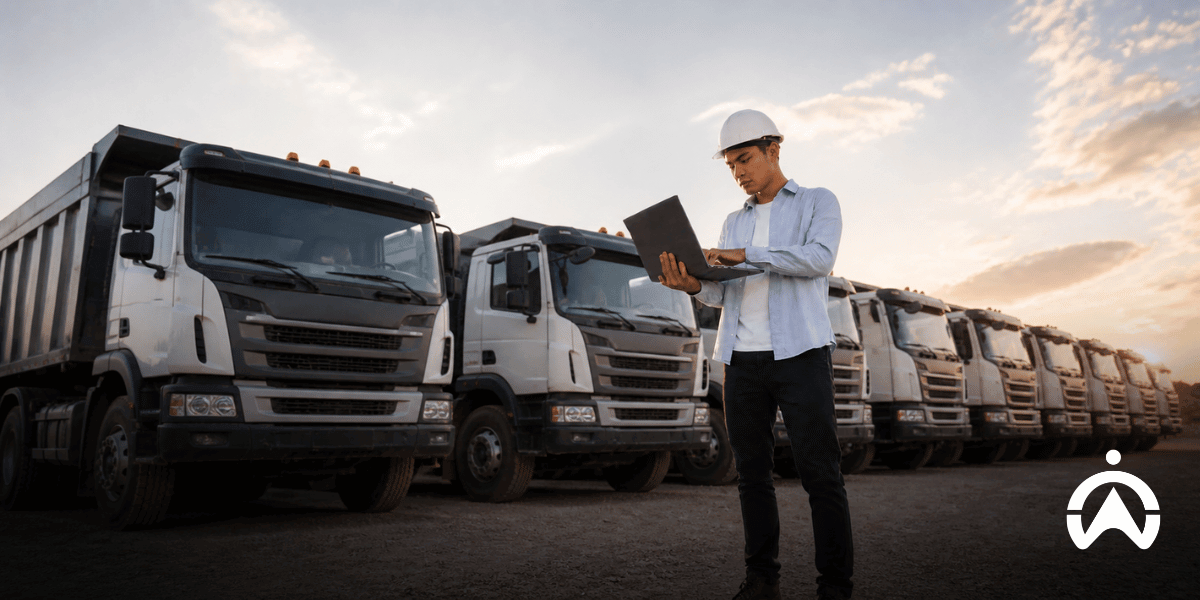
As Malaysia moves towards greater adoption of telematics for commercial vehicles, businesses are entering a new era where fleet decisions can be driven by real-time data rather than assumptions. For FMCG operators managing high-volume deliveries, this shift presents an opportunity to improve operational efficiency, control costs, and build safer operations.
There are good reasons why Malaysia’s Ministry of Transport (MOT) is implementing an initiative of telematics adoption for commercial fleets across the country. In a recent press release, Anthony Loke encouraged fleet operators and business owners who rely on road transport to voluntarily adopt a fleet monitoring system of some kind within the next two years.
FMCG fleet operators are likely to benefit the most from this new initiative. Their deliveries are high-volume in nature, and costs for these types of businesses are tough to control. Customers are also becoming more demanding, wanting their products delivered quickly and without error.
These demands can only be met using a comprehensive fleet management software system that focuses on the COSTS, the CLIENTS, and the COACHING of drivers that makes every come together. Other FMCG transporter companies in Malaysia are already using gold-standard sensors combined with high-end software and seeing incredible results!
Keep reading to discover how you can too.
Last-mile delivery efficiency in FMCG is all about the customer. The happier they are, the more orders you’ll get. And with technology, you’ll be able to manage growth more effectively because your processes will be automated, streamlined and algorithmically planned.
How this is done: Real-time tracking!
But tracking of vehicles and drivers isn’t about keeping tabs on what’s happening. It’s an integral part of planning your deliveries in the most efficient way possible. By queueing your drivers optimally, your FMCG deliveries will get done quicker, and your drivers won’t be sitting idly by while they wait for the next one to be manually scheduled.
Setting your drivers on the best possible routes is all part of this process too. Based on real-time events like traffic congestion, weather, and road blocks, a fleet management system will optimise routes ensuring the safety and speed of every delivery. If drivers need to be rerouted, they’ll know exactly what to do, where to go, and when to adjust their navigation.
Inefficient vehicle utilisation sneaks up on logistics managers and eventually shows up in the numbers. Every time a vehicle or a driver sits on the sidelines, it’s potential income you’re losing out on.
Not only that, but there’s probably a customer somewhere wondering where their goods are. If you can find a way to organise tasks and allocate vehicles smartly, each vehicle and each on-shift driver is productively earning their keep!
Good fleet management software uses AI algorithms to always ensure the next delivery is started as quickly as possible after the last one has been completed.
This invariably results in more deliveries within a single day. And that happens EVERY DAY! As the weeks and months flow by, you’ll begin to see your delivery objectives being met and the profits flooding in.
When your operations are run on objective data, you no longer pay for wasted time. Drivers who are idle during working hours often need to make up for delays by working overtime. This is minimised through telematics because operational efficiency is pushed during the times workers are being paid for.
All of this results in happier customers! By the time your products reach the end of their supply chain, they’re in-tact, delivered, and paid for.
Keeping your vehicles on the road is of utmost importance to your productivity. Smart vehicle maintenance using predictive AI algorithms is the current technological “best bet” for keeping vehicles healthy, on the road, and longer-lasting.
The majority of your expenses will be allocated to your drivers—both to their labour costs and the fuel they burn while driving your vehicles. Drivers are also responsible for representing your company, which means every time they go out, your brand’s reputation is at stake. FMS focuses heavily on driver responsibility by offering you the following.
Speeding accounts for safety compromises, so it’s always better to rely on smarter routes rather than brute-force speed to get your deliveries done on time. To enforce speeding restrictions, use a fleet management system that alerts you in real time when one of your drivers is exceeding a speed limit. These incidents will also be recorded so you can coach based on indisputable patterns of recurring behaviour.
Bad driving often leads to harsh braking, but you can monitor these patterns too to ensure your drivers aren’t violating other road rules in addition to speeding. Harsh braking can also be a sign of near-accidents, which is why it’s so important to identify patterns and prevent further bad habits.
AI-powered fleet management software is excellent at picking up erratic driving by analysing acceleration patterns. This adds helpful info to your coaching sessions and helps you guide your drivers to better driving and enhanced safety.
A great way to incentivise your drivers is through a scorecard system that your FMS keeps track of through automated driver monitoring. This is also how retail distribution fleets gamify their safety objectives and reward drivers who avoid violating the rules you’ve set up on your customisable scorecard system.
When you know where the problems lie, you can coach each driver individually based on patterns and recurring offences. This not only saves you time on your coaching efforts, it ensures visible improvements in the areas where they’re struggling without wasting resources on non-issue events.
Now that you have your FMCG deliveries on track and your drivers doing better, it’s time to look at your fuel bill. These improvements will inevitably cause your fuel budget to rise, so let’s look at how you can reduce fuel use across your fleet.

Global instability is unpredictable, and unfortunately fleet operators are the ones who suffer along with motorists. Knowing where your fuel is being wasted and what actions to take to curb that waste is the first step to making a significant difference.
Idling is likely where most of your fuel is being wasted—whether your trucks & vans use petrol or diesel. When your cargo isn’t moving, you’re still paying for unnecessary fuel when your drivers aren’t taught to idle less.
Fleet management software solves this issue by alerting you to excessive idling, helping you educate your drivers on methods that reduce idling.
Through digital means that negate human error, you can compare fuel slips with what’s actually going into your vehicles. Fuel management helps you detect fuel anomalies that could point to syphoning or fraudulent transactions.
Route optimisation reduces the need for idling by avoiding traffic congestion as much as possible. Not only will routes be more efficient, but driving habits themselves can be promoted to reduce fuel use overall.
You may start noticing that certain drivers are using more fuel than others during the same time they’re delivering your FMCG products. By identifying them, you can coach drivers much more efficiently and focus on the ones that need improvement.
You’ve read about the technologies that are transforming the FMCG space in Malaysia. Now it’s time to implement effective planning and adopt the best for your own business. Cartrack’s 20-plus years of experience in the fleet industry makes us a top choice for your operations.
As reported by Business Wire, Karooooo (Cartrack Malaysia's parent company) serves more than 125,000 commercial customers in more than 20 countries. You can trust us with your FMCG fleet and rely on our focus to optimise your operations in a way that saves money while improving productivity.
Give us a call now to book a demo and see for yourself how Cartrack’s software is a perfect fit for any FMCG company that wants to prioritise customer service and brand integrity!
Adopting a telematics process in Malaysia for fleet operators isn’t mandatory yet, but it is strongly encouraged. Anthony Loke did imply that in the future, mandatory telematics might be on the cards for companies for reasons of safety, compliance and economic efficiency.
When loading a delivery van, always place heavier items at the bottom to hold the weight of what’s to be packed on top. This also stabilises the vehicle while driving, preventing imbalances. You should also stick to weight limits which you can find stated on the truck or your owner’s manual.
The most effective way to stop your drivers from smoking in your vehicles during transit is to implement AI camera technology for your vehicles. The in-cabin dashcams from Cartrack are adept at detecting smoking, drinking and even eating. If you want to ban any of these actions, this is a sure-fire method.